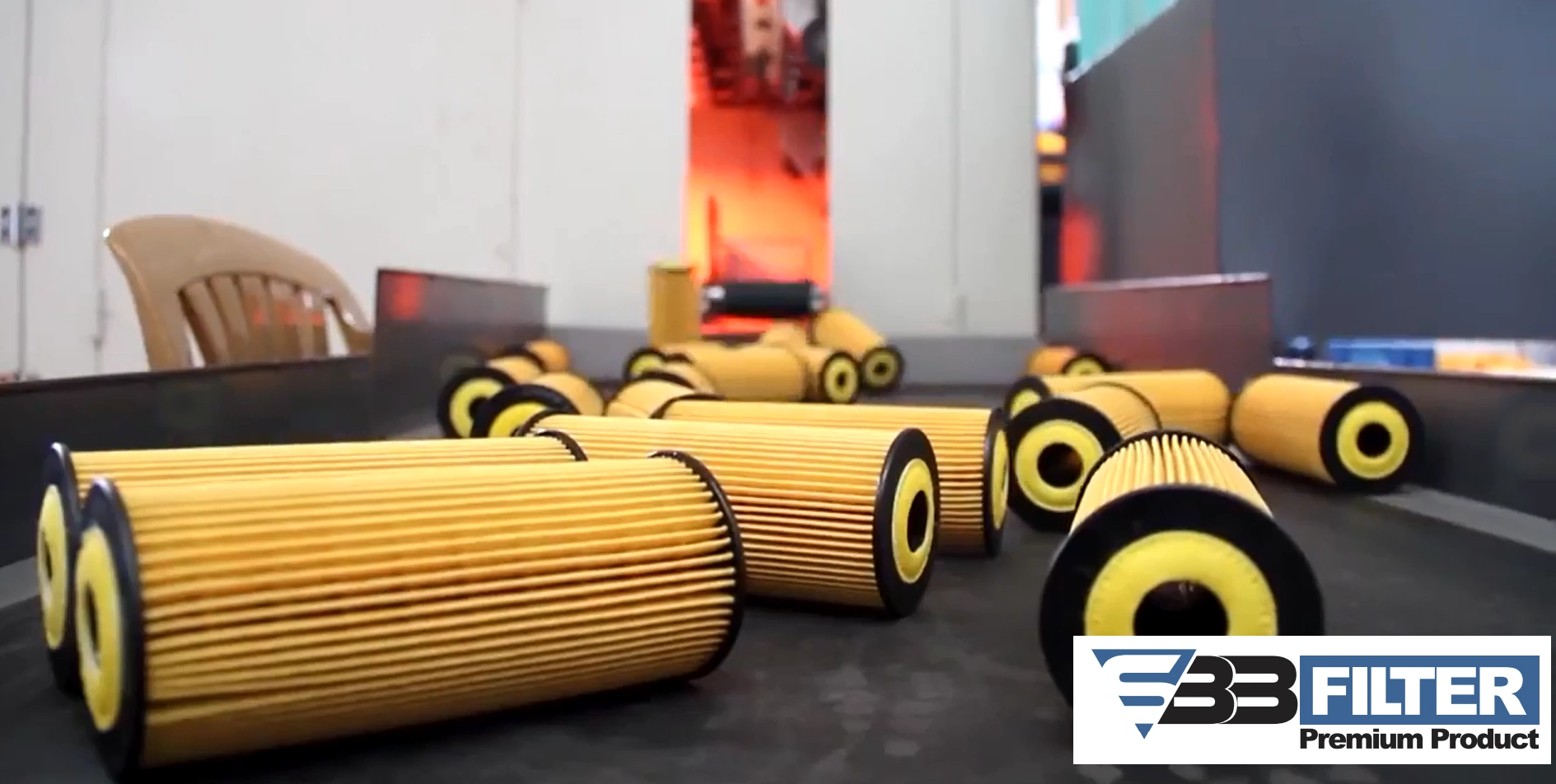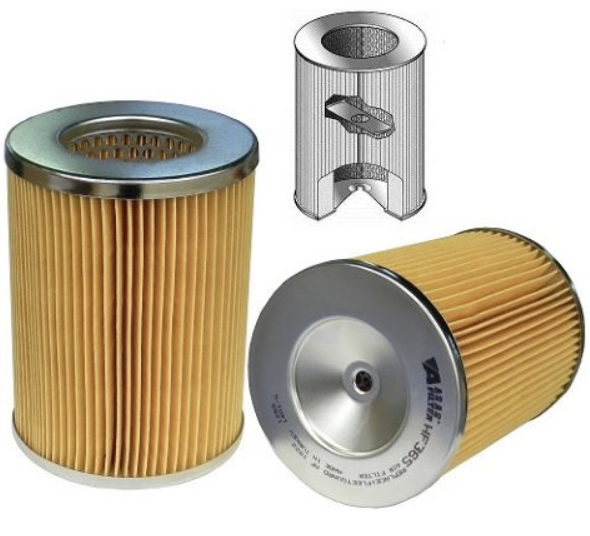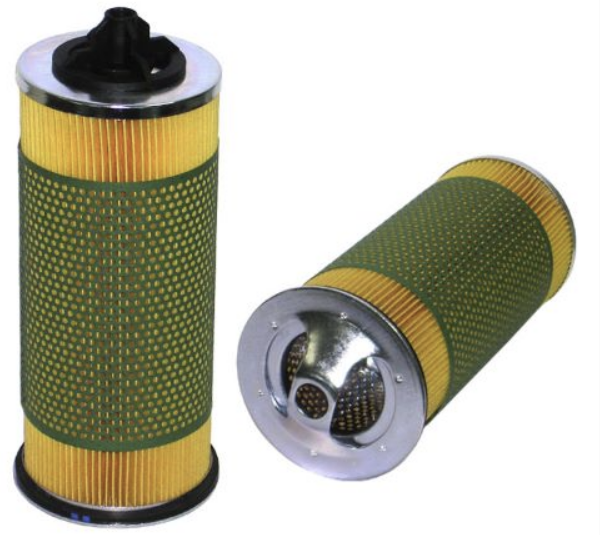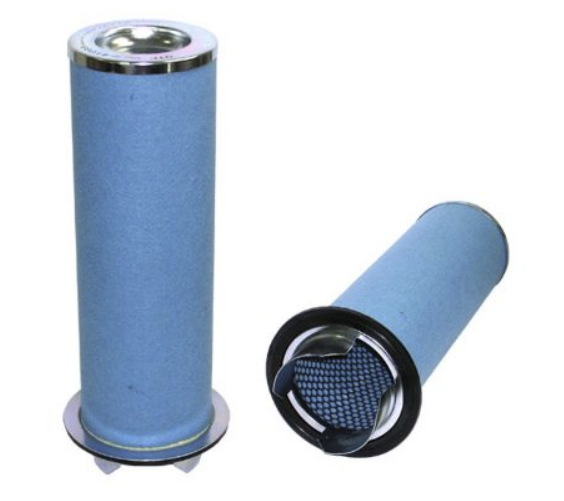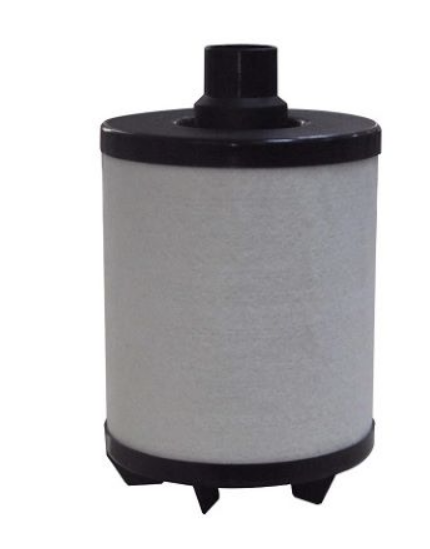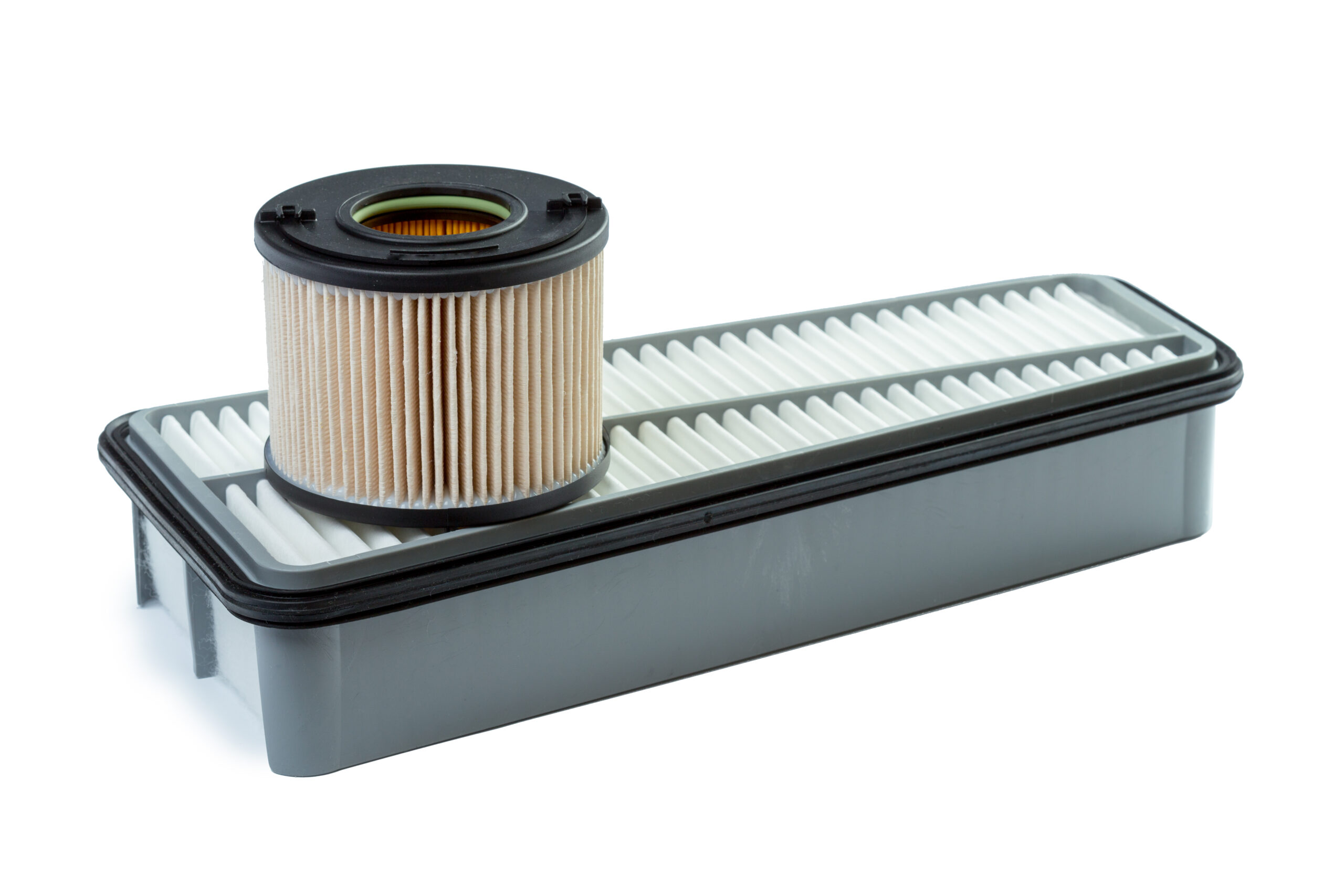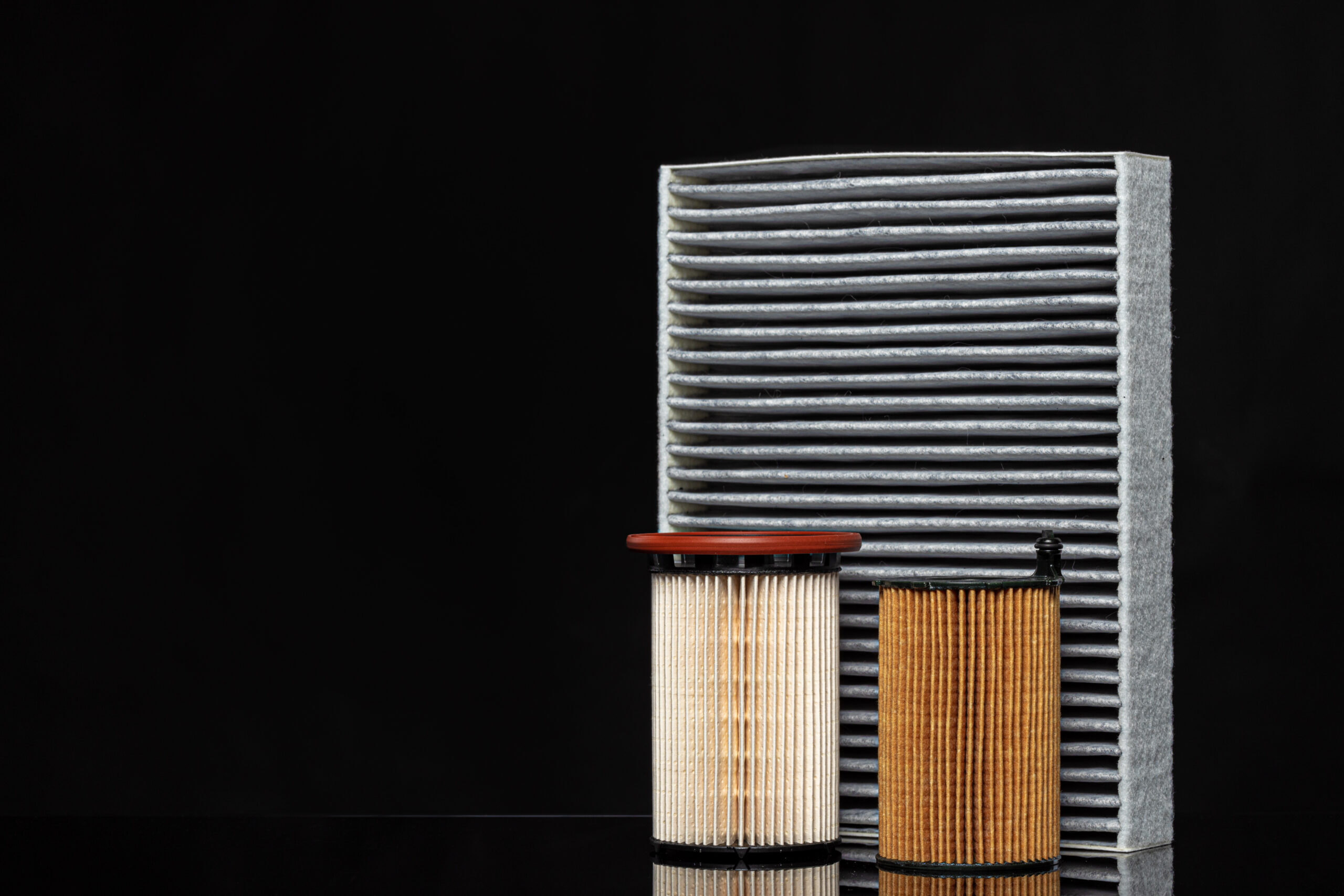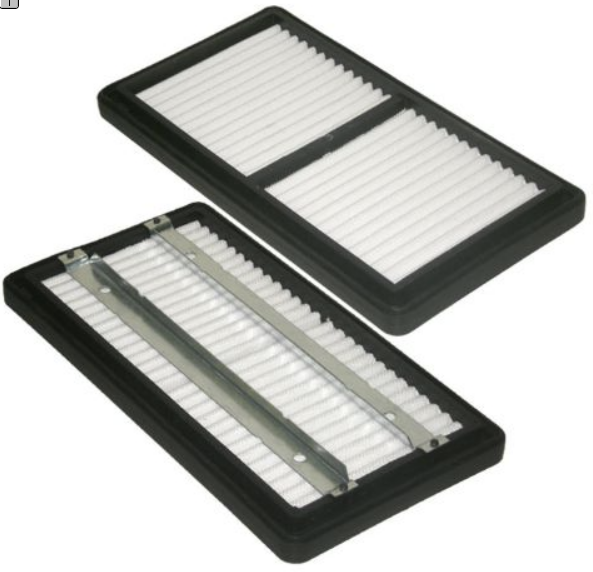
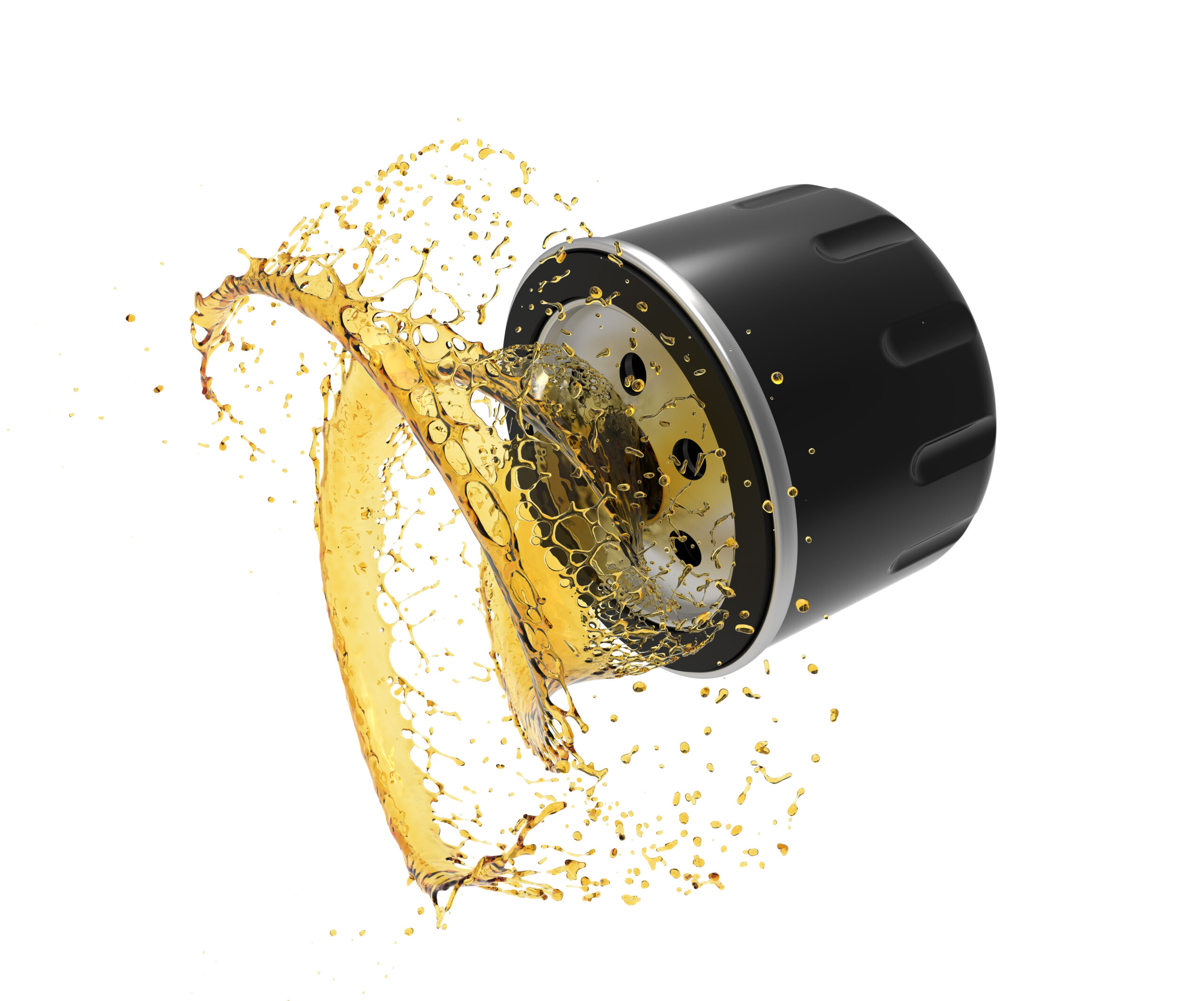
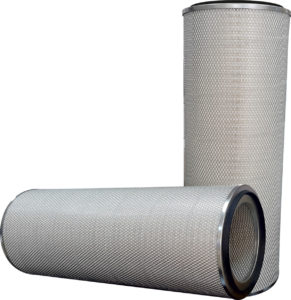
Through the use of diverse filtration media and the application of the latest technological advancements, our products ensure:
- High Reliability and Efficiency: Our filters deliver outstanding performance and effectively protect sensitive components.
- Extended Maintenance Intervals: Increased capacity and durability allow for longer operational cycles.
- Optimal Filtration: Effective removal of moisture, dust, and other contaminants to protect the engine’s microstructure.
- Enhanced Engine Performance: Ensuring a clean supply of oil, fuel, and air tailored to engine requirements, resulting in fuel savings and improved performance.
- Eco-Friendliness: Our filters feature advanced properties such as reusability for sustainable operation.
Our Quality Policy
Achieving Customer Satisfaction
- Works flawlessly the first time and every time
- Implementing continuous improvement measures with the involvement of our employees
- Meeting system requirements
- Viewing suppliers as strategic partners
- Improving the quality of life for our employees
- Being a trustworthy institution for our shareholders
- Ensuring clear, accessible, and honest communication
- Having an innovative mindset that embraces improvements
- Being clean, tidy, organized, and disciplined
Our Commitment to Service
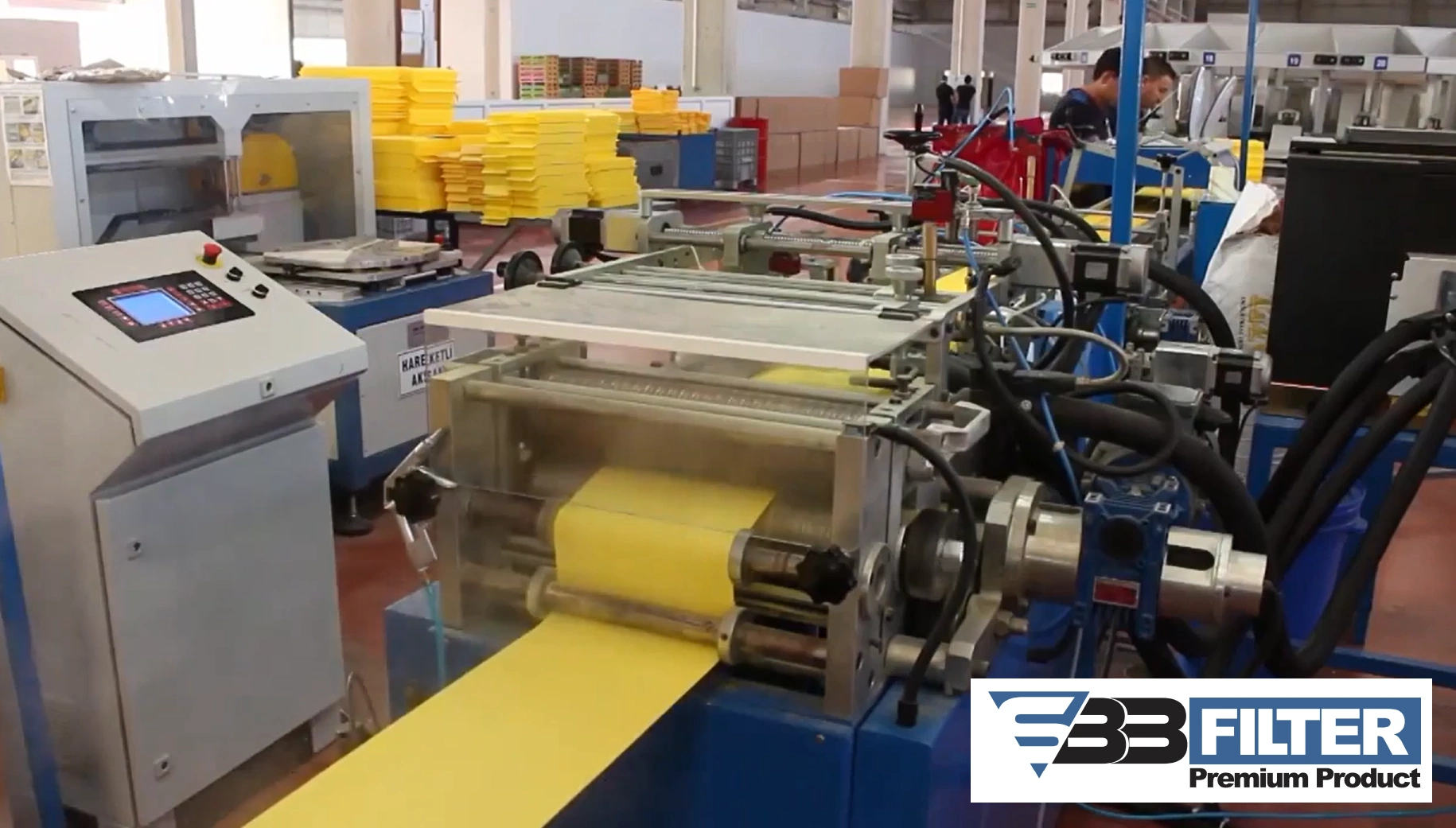
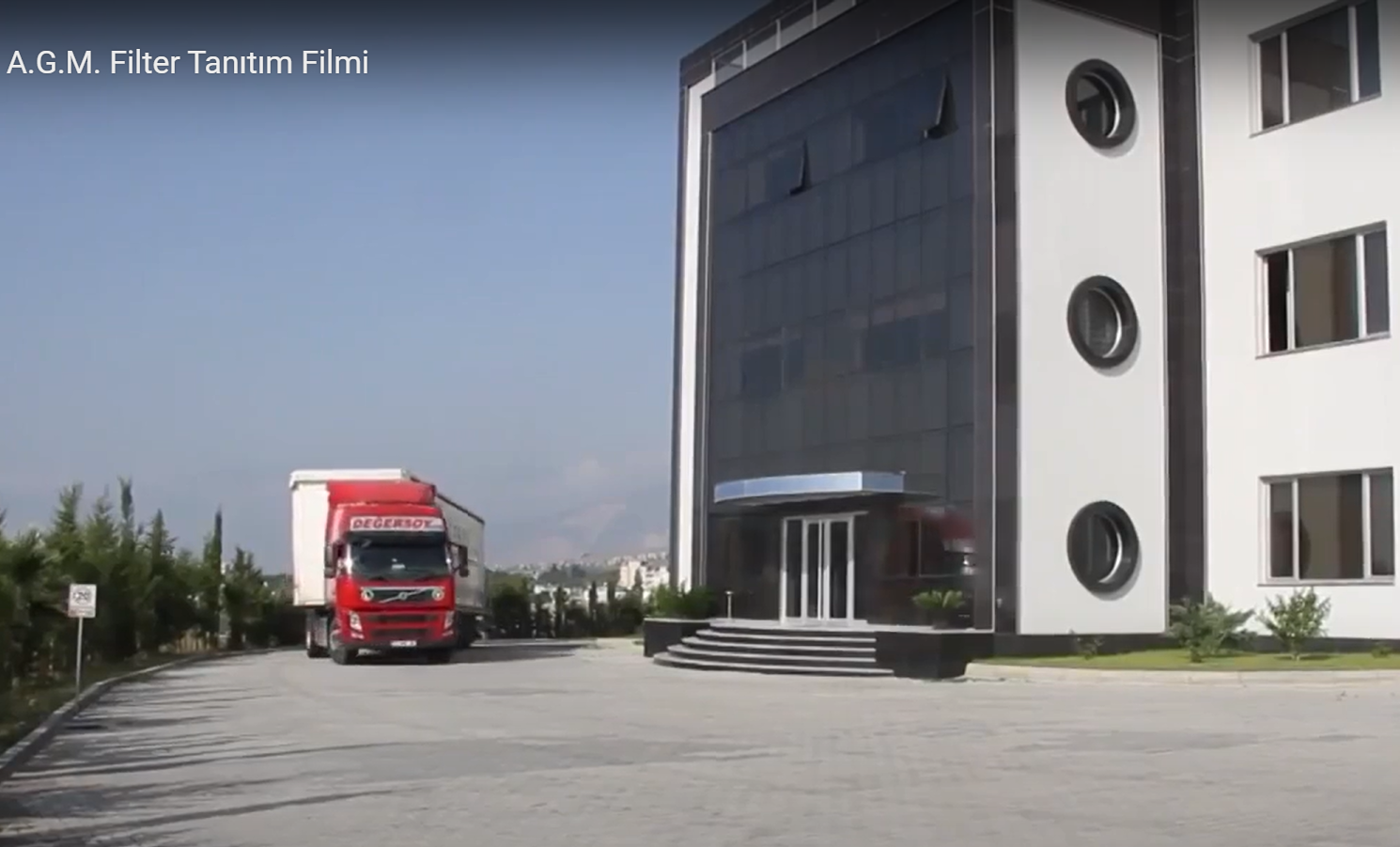
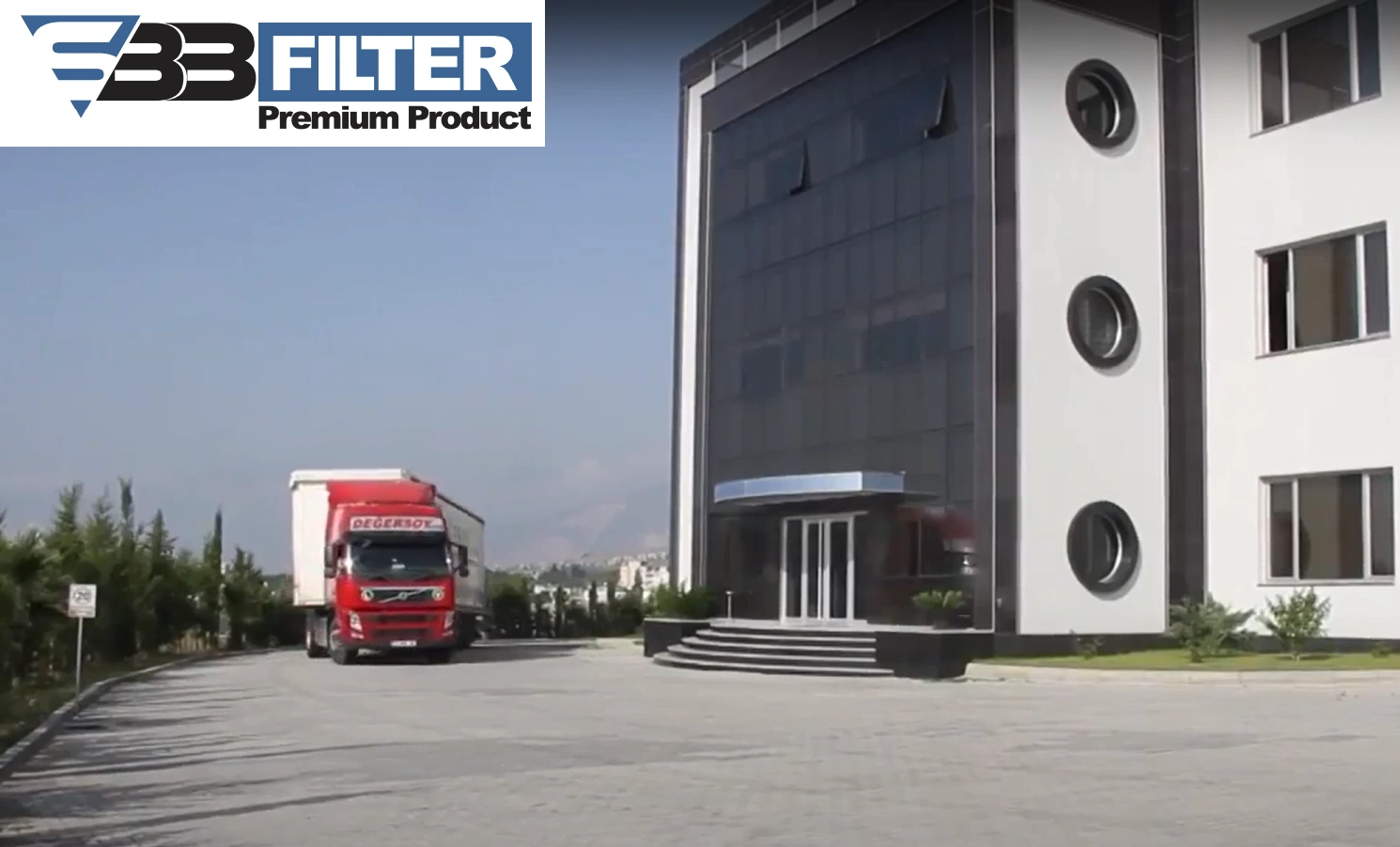
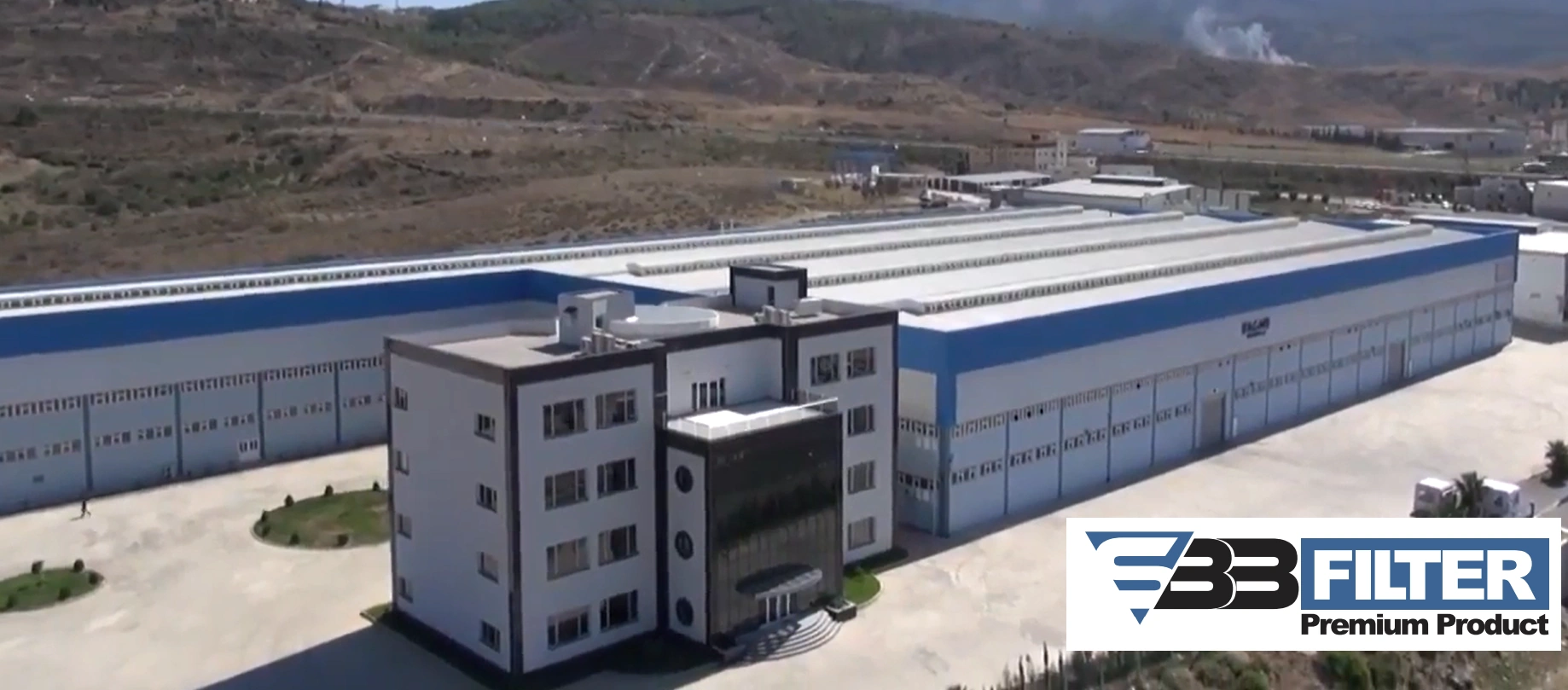
At SBB Filter Premium Product, we pride ourselves on being a reliable partner for companies in the automotive and industrial sectors. Our mission is to meet our customers’ needs with premium filtration solutions while optimizing their production processes.
We offer customized solutions tailored to the specific requirements of our clients. Whether for large machine fleets, complex industrial applications, or vehicles in the automotive industry, our filtration solutions ensure reliable protection and efficiency.
Gas Turbine Filter
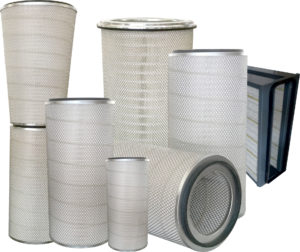
Cartridges are modern and reliable for air intake applications.They ensure high efficient filtration of dust and other contaminants even in the most polluted environments. Normally these are made of mixture of polyester & cellulose. These media have much better pleat ability & dimensional stability. Pleated filter media offer high filtration efficiency, very fine retention level, easy clean ability & aesthetically good product than other normal filter media.
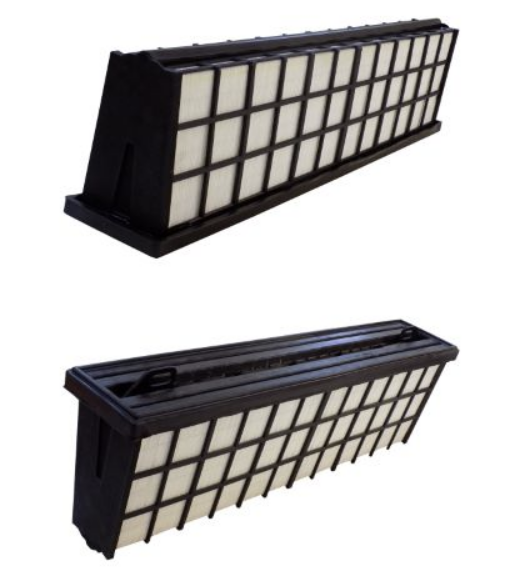
Heavy Duty Air Filters
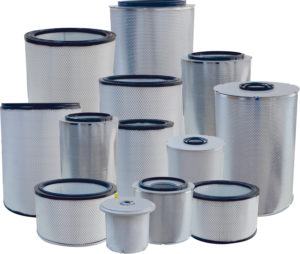
Heavy duty air filters are crucial components in maintaining the performance and longevity of industrial and automotive systems that operate in challenging environments. These filters are designed to trap and remove particulates and contaminants from the air, preventing them from entering the engine or machinery, where they can cause wear and tear or even failure.
In the automotive sector, heavy duty air filters are extensively used in trucks, buses, and off-road vehicles such as construction equipment and tractors. These vehicles typically operate in dusty and dirty environments, such as construction sites, mines, and unpaved roads, where the concentration of airborne particulates is significantly higher. The robust design of heavy duty air filters enables them to provide high filtration efficiency, which is essential for protecting engines under these harsh conditions.
Beyond vehicles, heavy duty air filters find applications in various industrial settings. They are integral to the HVAC systems in manufacturing plants and warehouses, where they help manage air quality by filtering out dust, debris, and sometimes chemical vapors. This is vital not only for protecting machinery and products but also for ensuring a safer working environment for employees.
Additionally, heavy duty air filters are used in power generation plants and in the maritime industry within the engines of ships. Each application demands filters that can handle high volumes of air flow without compromising on the filtration quality, ensuring that all systems operate at their peak efficiency and are protected from potential damage caused by environmental contaminants.
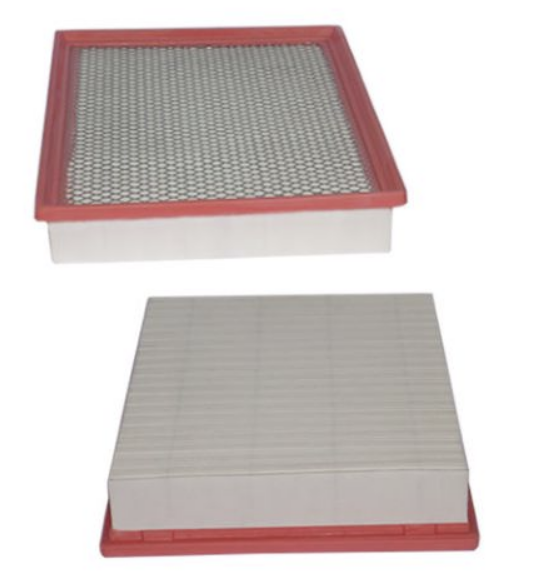
Panel Filters
Panel filters are essential components widely used in various HVAC systems and industrial applications to improve air quality and protect equipment from contaminants. These filters are typically flat, framed in a sturdy material like metal or plastic, and are designed to trap dust, pollen, mold spores, and other airborne particles.
In residential and commercial HVAC systems, panel filters serve as the primary means of filtering incoming air to maintain indoor air quality and comfort. They are installed in the air handling units of homes, offices, and other buildings to ensure that the circulating air is free from excessive pollutants. By trapping these particles, panel filters not only contribute to a healthier indoor environment but also protect the HVAC equipment from the buildup of debris that can impair its efficiency and lifespan.
Industrial applications of panel filters include their use in paint booths, pharmaceutical manufacturing, and food processing plants, where maintaining clean air is critical to product quality and compliance with health regulations. In these environments, panel filters help remove fine particulates and prevent them from contaminating products or processes.
Moreover, panel filters are favored for their ease of installation and maintenance. They are available in various sizes and filtration grades to match specific airflow and purification needs. The simplicity of their design allows for quick inspections and replacements, minimizing downtime in systems that require continuous operation.
Overall, panel filters are a versatile and effective solution for air quality control in a wide range of settings, providing a crucial barrier against airborne contamination.
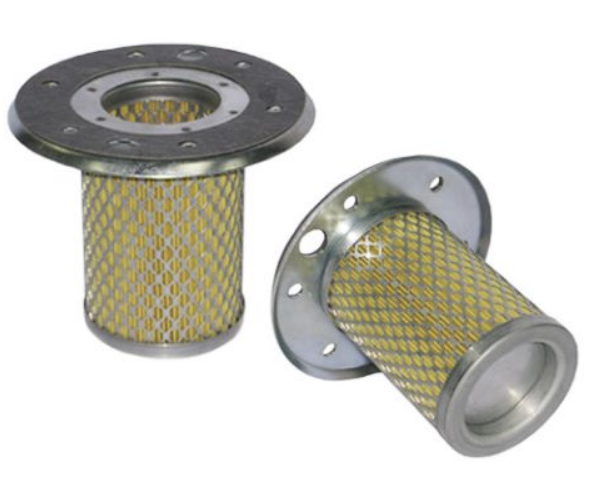
Oil Filters
Oil filters are vital components in maintaining the health and efficiency of engines by purifying the lubricating oil that circulates through them. Designed to remove contaminants such as dirt, metal shavings, and carbon deposits, these filters help to prevent premature wear and tear on engine components, ensuring smooth operation and prolonging the engine’s lifespan.
In automotive applications, oil filters are used in virtually every internal combustion engine, including cars, motorcycles, and heavy-duty vehicles like trucks and buses. The oil filter is typically located near the engine block and works by filtering out harmful particles from the oil that accumulates as the engine operates. This is critical because clean oil is essential for lubricating the engine effectively, reducing friction and heat that can lead to engine damage.
Beyond vehicles, oil filters are also used in various industrial machinery and equipment such as generators, construction equipment, and marine engines. These applications often demand high durability and efficiency from their oil filters, especially in harsh operational environments where the risk of contamination is high.
The design of oil filters can vary, including spin-on filters and cartridge filters, each suited to different types of engines and viscosity grades of oil. Spin-on oil filters are particularly popular for their ease of replacement and disposal, encapsulating the filter media within a metal can. Cartridge filters, on the other hand, require replacing only the filter media itself, with the housing reused, which is a more environmentally friendly option.
Overall, oil filters play a crucial role in the performance and maintenance of engines across a multitude of applications, ensuring that the lubricating oil remains clean and effective at all times.
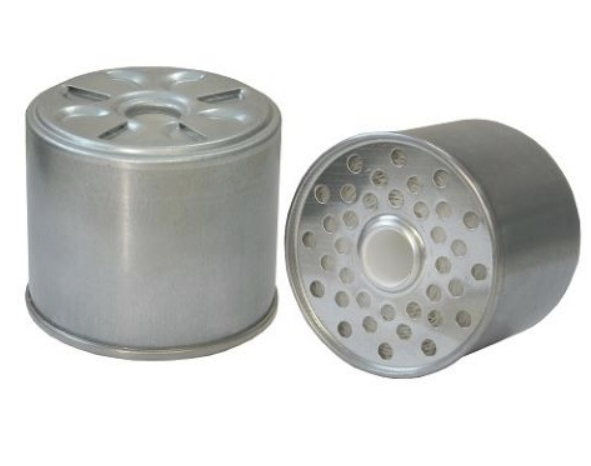
Fuel Filters
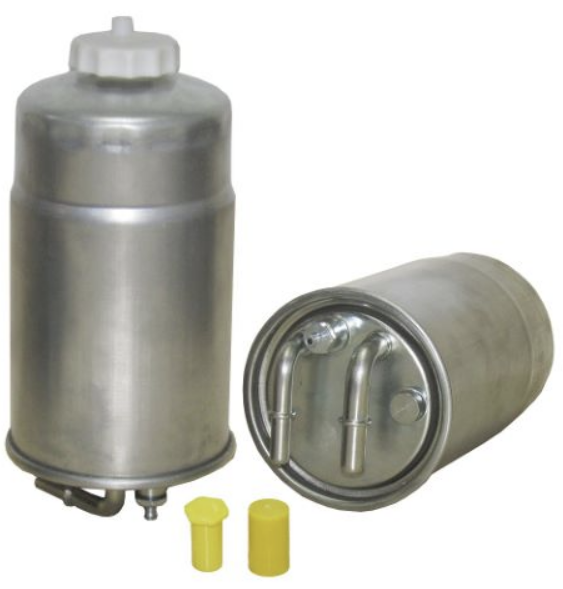
Fuel filters are critical components in the fuel system of an engine, tasked with ensuring the cleanliness and purity of the fuel before it enters the combustion chamber. By removing contaminants such as dirt, rust, and other particulates from the fuel, these filters protect the engine from damage and maintain its efficiency.
In automotive applications, fuel filters are essential for both gasoline and diesel engines. These filters are placed in the fuel line and work to ensure that only clean fuel reaches the engine’s injectors or carburetor. This is particularly important for modern high-precision fuel injection systems, which can be easily clogged by even small particles, leading to reduced engine performance and increased fuel consumption.
Fuel filters also play a significant role in industrial and agricultural settings, where machinery such as tractors, heavy equipment, and generators rely on clean fuel for proper operation. In these environments, the presence of contaminants in fuel can be higher due to factors like storage conditions and frequent refueling from various sources. Thus, robust fuel filtering becomes essential to avoid costly downtimes and repairs.
The construction of fuel filters varies depending on the application, but they generally include a filter media made of paper, synthetic, or a combination of materials capable of trapping contaminants while allowing fuel to flow freely. These filters are regularly replaced during routine maintenance to ensure ongoing protection, as a clogged filter can lead to engine starvation, stalling, and damage.
Overall, fuel filters serve a vital function in a wide array of engines, safeguarding them from the potential harms of contaminated fuel and helping to ensure that they perform optimally under all operating conditions.
Activated Carbon Air filter
Activated carbon air filters are specialized filtration systems designed to clean air by not only trapping particles but also removing gases and odors through a process called adsorption. This makes them uniquely effective in purifying indoor environments from both particulate pollutants and volatile organic compounds (VOCs).
The core component of these filters is activated carbon, also known as activated charcoal, which is carbon that has been treated to increase its porosity and surface area. This treatment creates millions of tiny pores and fissures on the surface of the carbon, making it highly effective at capturing gas molecules and other chemical impurities.
Activated carbon air filters are widely used in various settings where air quality is crucial. In residential and commercial buildings, they are employed in HVAC systems and air purifiers to remove common indoor pollutants such as cigarette smoke, cooking odors, pet smells, and gases emitted from building materials and furnishings. This not only improves the air quality but also helps alleviate symptoms for people with allergies or respiratory conditions.
In industrial applications, these filters are critical in controlling emissions and protecting indoor air quality in workplaces, especially in industries like chemical manufacturing, paint production, and food processing. They help remove toxic vapors and odors, ensuring a safer working environment and compliance with health and safety regulations.
Additionally, activated carbon filters are used in specialized environments such as laboratories and hospitals to remove airborne contaminants that could affect sensitive processes and patient health.
Overall, activated carbon air filters are essential for effectively removing a wide range of air pollutants, offering a versatile solution to improve air quality in both everyday and high-risk environments.
Air Dryer Filters
Air dryer filters are essential components in systems designed to remove moisture from compressed air, ensuring that the air delivered to pneumatic machinery and tools is dry and clean. These filters play a crucial role in protecting sensitive equipment from water vapor and contaminants, which can lead to corrosion, freeze-ups, and other operational issues.
In pneumatic systems, compressed air often contains water vapor and contaminants drawn from the ambient air. If this moisture is not adequately removed, it can condense into liquid water, leading to potential damage in the system. Air dryer filters work by trapping moisture, oil, and particulate matter before the air is passed through a drying medium, which could be desiccant material in desiccant dryers or a refrigerated system in refrigerated dryers.
There are several types of air dryer filters, each designed to target specific contaminants:
- Coalescing filters – These are used to remove oil and water aerosols from the compressed air. They work by forcing the air through a media that coalesces the small aerosol particles into larger droplets, which are then separated and drained away.
- Particulate filters – These filters capture dirt, dust, and other solid particles. They are typically used after coalescing filters to ensure that any remaining particulates are removed from the air.
- Adsorptive filters – Sometimes used in conjunction with other filters, adsorptive filters remove vapors and odors from compressed air, using materials like activated carbon.
Air dryer filters are crucial in a wide range of industries, including manufacturing, automotive, and pharmaceuticals, where dry and clean air is necessary for the quality and efficiency of processes. Regular maintenance and replacement of these filters are critical to ensure the effectiveness of the air drying system and the longevity and reliability of the pneumatic tools and machinery they protect.
Spin-on Filters
Spin-on filters are a popular and convenient type of filter used primarily in automotive and industrial applications. These filters are designed for ease of installation and maintenance, featuring a self-contained housing and filter element that can be easily screwed on and off. This design simplifies the replacement process, reducing downtime and the risk of contamination during filter changes.
The primary use of spin-on filters is in the lubrication and hydraulic systems of vehicles and machinery, where they remove contaminants from oil or hydraulic fluid. These filters are critical for protecting engines and hydraulic systems from particulate debris and ensuring smooth operation. The filter’s housing is typically a durable metal canister with a sealed top containing an inlet and outlet. Inside, a paper or synthetic filter media traps the contaminants as the fluid circulates through.
Spin-on filters are especially common in the automotive industry for engine oil, transmission fluid, and fuel filtering. The simplicity of changing a spin-on filter—usually requiring only a filter wrench to remove and install—makes it a favored choice for routine maintenance.
In addition to automotive use, spin-on filters are utilized in a variety of industrial applications. They are employed in heavy-duty vehicles, agricultural equipment, and even marine engines, where reliability and ease of maintenance are paramount. The filters protect these systems from the rigors of harsh operational environments, filtering out harmful contaminants that could otherwise lead to costly repairs and downtime.
Overall, spin-on filters are valued for their robustness, effectiveness, and user-friendly design, making them essential in any application where fluid cleanliness is crucial.
ADBlue-Urea Filters
AdBlue-Urea filters are specialized filters designed for use in diesel engines equipped with selective catalytic reduction (SCR) systems to reduce harmful emissions. AdBlue, also known as Diesel Exhaust Fluid (DEF), is a solution made up of urea and deionized water that helps to convert nitrogen oxides (NOx) into harmless nitrogen and water vapor in the exhaust system.
The role of AdBlue-Urea filters is crucial in maintaining the purity of the AdBlue solution, which is sensitive to contaminants. Any impurities in the AdBlue can lead to the malfunctioning of the SCR system, potentially causing increased emissions and damage to the catalyst. These filters ensure that only clean, uncontaminated AdBlue is injected into the exhaust stream, thereby enhancing the efficiency of the SCR system and helping vehicles meet stringent emission standards.
AdBlue-Urea filters typically consist of a fine mesh or a paper filter element capable of trapping even minute particulates and impurities from the AdBlue fluid. This is vital because the presence of particles or crystallized urea can clog the delicate dosing lines and nozzles in the SCR system, leading to reduced effectiveness and potential failures.
These filters are commonly found in modern heavy-duty trucks, buses, and other diesel-powered vehicles that require adherence to environmental regulations such as Euro VI in Europe or EPA standards in the United States. Regular maintenance and replacement of AdBlue-Urea filters are essential for the proper functioning of the SCR system, ensuring that vehicles remain compliant with emissions norms and operate efficiently over their lifespan.
Overall, AdBlue-Urea filters play a pivotal role in environmental protection by aiding in the reduction of diesel engine emissions, thereby contributing to cleaner air and a healthier environment.
Gas Turbine Filters
Gas Turbine
A combined-cycle power plant uses both a gas and a steam turbine together to produce up to 50 percent more electricity from the same fuel than a traditional simple-cycle plant. The waste heat from the gas turbine is routed to the nearby steam turbine, which generates extra power.
Proper air filtration is critical to the overall performance and reliability of gas turbines. Fuel costs approach 80 percent of the life cycle cost of electricity. Small gains in efficiency can mean huge savings. The decision criteria required in selecting an optimum air filtration solution, with the goal of maximizing gas turbine availability and lowering operating costs.
FILTERS
Air inlet filtration systems are essential for the operation of gas turbines and other turbomachinery. Gas turbines ingest a large amount of ambient air during operation. Because of this, the quality of the air entering the turbine is a significant factor in the performance and life of the gas turbine.
The most notable symptom of efficiency degradation for Gas Turbines or compressors is fouling. The correct choice of air filtration will save hundreds of thousands of euros – every operating year, every unit.
Reverse Osmos Filters
Advantages of RO;
1. Improves taste
RO filtration improves the taste, smell and appearance of water by removing contaminants that cause taste and odor problems.
2. Savings
With an RO system, you can cancel your water delivery service and stop purchasing bottled water.
3. Simple Maintenance
RO systems have very few moving or replaceable parts. This makes RO systems easy to clean and service
4. Removes Impurities
RO systems remove contaminants from water including nitrates, pesticides, sulfates, fluoride, bacteria, pharmaceuticals, arsenic and much more. An RO systems carbon filter will also remove chlorine and chloramines.
Seperators
Seperators
IMPORTANT OF OIL MIST SEPARATOR FILTER
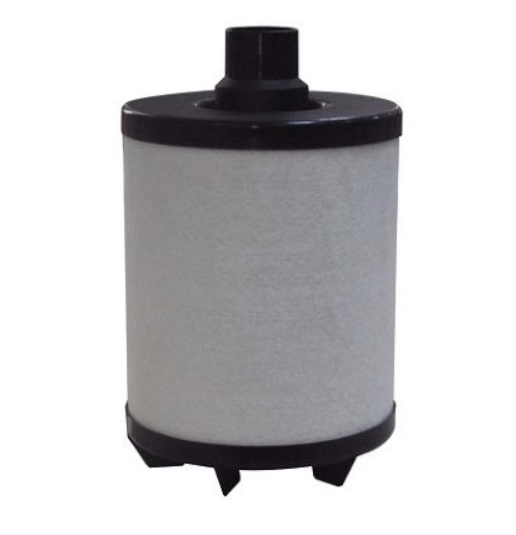
The CCV oil mist separator series was developed specifically for closed crankcase ventilation purposes on internal combustion engines.
The range of applications covers heavy-duty and off-highway engines from 50 kW to about 20 MW for use in combined heat and power plants (chp), ships and all other fields of use for internal combustion engines.
The CCV oil mist separators are driven by the engine’s turbocharger. So filters are designed that they can be operated by the turbo-supercharger of the engine.
This oil mist seperator filters have a lifetime from 4.000 hours of up to 32.000 hours; depending on the design.
During this time there should be no need to change any filter insert, or for any maintenance
An optional membrane gas controller on the unit holds the crankcase exactly at desired underpressure in crankcase, even with variable operating conditions.
For safe functioning of the control and in order to avoid an unacceptable pressure rise in the crankcase, our filter has a very low pressure loss.
For MWM engines (series TCG) compact blow by filters are used, consisting of 2 parts:
* First part is outer filter
* Second part is inner filter
This double filtration system provides high quality cleaning and at the same time using 2 parts filter increases the lifetime of the filters
The requirements on the material and further processing – particularly for the oil mist separation in the closed crankcase ventilation – are extremely high
The filter material must meet with the following criteria:
* Highly efficient separation behaviour
* Low pressure drop
* Temperature resistance
Every engine manufacturer faces the problem with cleaning of crankcase blow-by gasses from oil and solid particles.
Poor cleaning of blow-by gasses leads up too many problems;
* Rapid wear of cyclinder heads, valves and valve chambers
* Significantly reduces turbocharger efficiency
* The high efficiency filter prevents fouling of the turbocharger and after-cooler.
Serious power reduction and knocking problems are the consequences.
The use of wrong filters can have negative effects on the motor performance and the service life of motor components or the motor as a whole
In most cases, wrong filter materials are the cause of a poor separation performance and short service life of the oil mist separators – with severe consequences for the motor and the plant operator.
Jet Fuel Filters
Jet fuel filters are critical components in the aviation industry, designed to ensure the cleanliness and integrity of fuel used in aircraft. These filters are essential for preventing contaminants such as water, ice, and particulate matter from entering the aircraft’s fuel system, which can lead to engine malfunction or failure.
Jet fuel, like any other petroleum-based fuel, can contain various contaminants that are picked up during refining, transportation, and storage. The role of jet fuel filters is to remove these contaminants before the fuel is pumped into an aircraft’s tanks. This is crucial not only for maintaining the performance and efficiency of the engine but also for ensuring flight safety.
Jet fuel filters typically use a fine mesh or coalescing filter media to capture particulates and separate water from the fuel. The coalescing process is particularly important because water in the fuel can lead to the formation of ice crystals at high altitudes, which can block fuel lines and damage engine components. These filters are often equipped with sensors that can detect the presence of water and alert maintenance crews to drain it before it becomes a hazard.
In addition to their use at airports in the fueling process, jet fuel filters are also installed on the aircraft itself. These on-board filters further refine the fuel as it is transferred from the storage tanks to the engine, providing an additional layer of protection against contamination.
Regular maintenance and monitoring of jet fuel filters are imperative in the aviation sector. Given the potentially disastrous consequences of contaminated fuel, these filters are regularly checked and replaced to adhere to strict aviation safety standards. Thus, jet fuel filters are indispensable in ensuring that aircraft operate safely and efficiently, with clean fuel free of harmful contaminants.
HVAC
HVAC stands for Heating, Ventilation, and Air Conditioning, a technology integral to the environmental comfort in residential, commercial, and industrial buildings. This system ensures optimal indoor air quality and thermal comfort by controlling the temperature, humidity, and air purity within a space.
Heating components of HVAC systems may include furnaces, heat pumps, and boilers. These devices generate heat through various means such as burning fuel, electrical resistance, or by transferring heat from an external source. The heat is then distributed throughout the building via ductwork, radiators, or underfloor heating systems.
Ventilation is essential for replacing or exchanging air within any space to provide high indoor air quality. It involves the removal of moisture, odors, smoke, heat, dust, airborne bacteria, carbon dioxide, and other gases, as well as temperature control and oxygen replenishment. The ventilation process can be achieved through mechanical means (like fans and ducts) or through natural means (such as through open windows and vents).
Air Conditioning systems cool and dehumidify air. They typically work by drawing warm air in from a space, cooling it by passing it over a cold coil, and then recirculating the cooled air back into the room. Modern air conditioners also filter out pollutants and contaminants to ensure the air quality is maintained.
HVAC systems can be further enhanced with various filters and air purifiers to tackle specific environmental concerns, such as allergens, pollutants, or particulate matter. Advanced control systems are also used to manage the operation and efficiency of HVAC units, including thermostats and automated building management systems.
The design and implementation of HVAC systems vary widely, depending on factors like climate, building size and configuration, and specific usage requirements. Proper maintenance is crucial to the effective operation of HVAC systems, including regular cleaning of ducts and filters, checking system balance, and ensuring that all components are functioning correctly. This maintenance helps extend the lifespan of the system, improve energy efficiency, and ensure a comfortable and healthy indoor environment.
Anti Allergen Filters
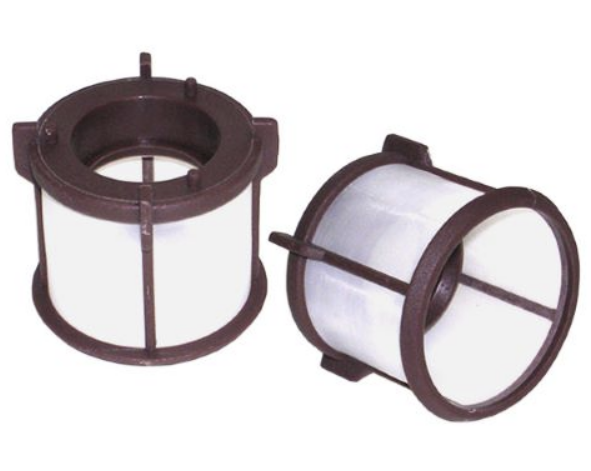
Anti-allergen filters are designed to improve indoor air quality by specifically targeting and removing allergens from the air. These filters are an integral part of HVAC systems in residential, commercial, and healthcare settings, where minimizing the presence of airborne allergens is crucial for occupant comfort and health.
The primary function of anti-allergen filters is to capture particles that can cause allergic reactions, such as pollen, pet dander, dust mites, and mold spores. These filters are typically made from densely woven fabrics or pleated media that can trap very fine particles, much smaller than what standard air filters can capture.
There are several types of anti-allergen filters, including:
HEPA Filters (High-Efficiency Particulate Air Filters): These filters are among the most effective, capable of trapping 99.97% of particles that are 0.3 microns in diameter or larger. HEPA filters are extensively used in environments that require exceptionally clean air, such as hospitals and laboratories, but are also increasingly common in residential settings for allergy relief.
Electrostatic Filters: These use an electrostatic charge to attract and trap airborne particles. Electrostatic filters are effective at capturing smaller particles and are reusable, often just needing cleaning rather than complete replacement.
Activated Carbon Filters: While primarily used to remove gases and odors, when combined with a particle filter, activated carbon can also help reduce allergens by trapping chemicals that can trigger allergies and asthma.
UV Filters: Using ultraviolet light, these filters can kill microorganisms such as mold, bacteria, and viruses as air passes through an HVAC system, further reducing potential allergens.
Installing anti-allergen filters can significantly benefit individuals with allergies or respiratory conditions by reducing the triggers present in indoor environments. However, the effectiveness of these filters largely depends on regular maintenance, including proper installation, routine cleaning, and timely replacement. By keeping these filters in good condition, they can greatly enhance the quality of indoor air and help create a healthier living and working environment.
Oil Filters
Fuel Filters
Air Filters
Cabin Filters
Dryer Filters
Water Filters